

Water and Electric Utilities

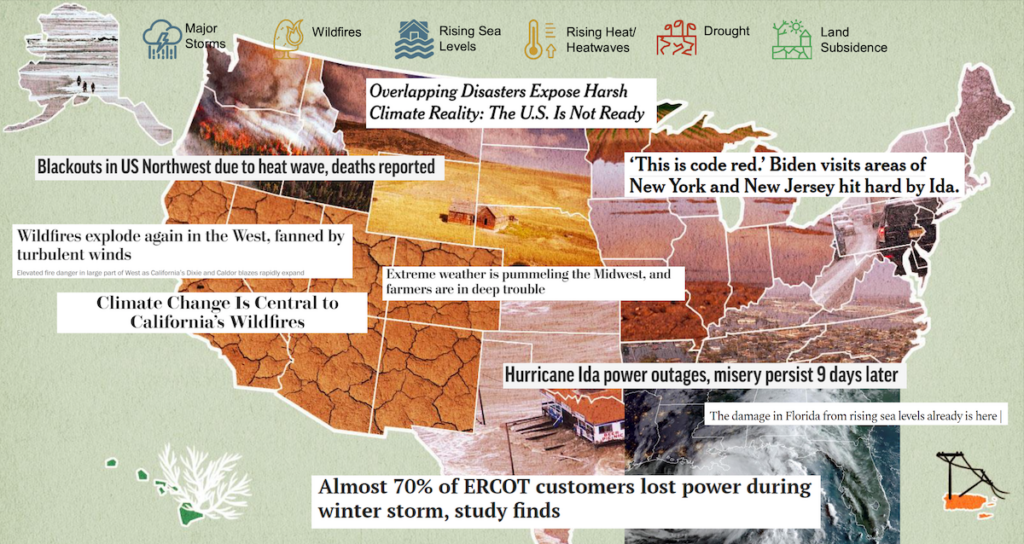
Electric utilities are faced with providing reliable, affordable, and low-carbon electricity to communities, while accelerating the adoption of low-carbon technologies, such as renewable energy, electric vehicles, and electrified buildings. On top of these challenges, climate change has exposed system-wide vulnerabilities and elevated the urgency of adapting the electric sector to increased risks from extreme events like wildfires. Similarly, water utilities are tasked with ensuring continuously available and safe drinking water. Water utilities’ climate-related challenges vary by geography, system properties, and local climate. Challenges range from planning for system reliability during sustained droughts to managing reservoirs to reduce flood risks to downstream communities.
Investigation overview
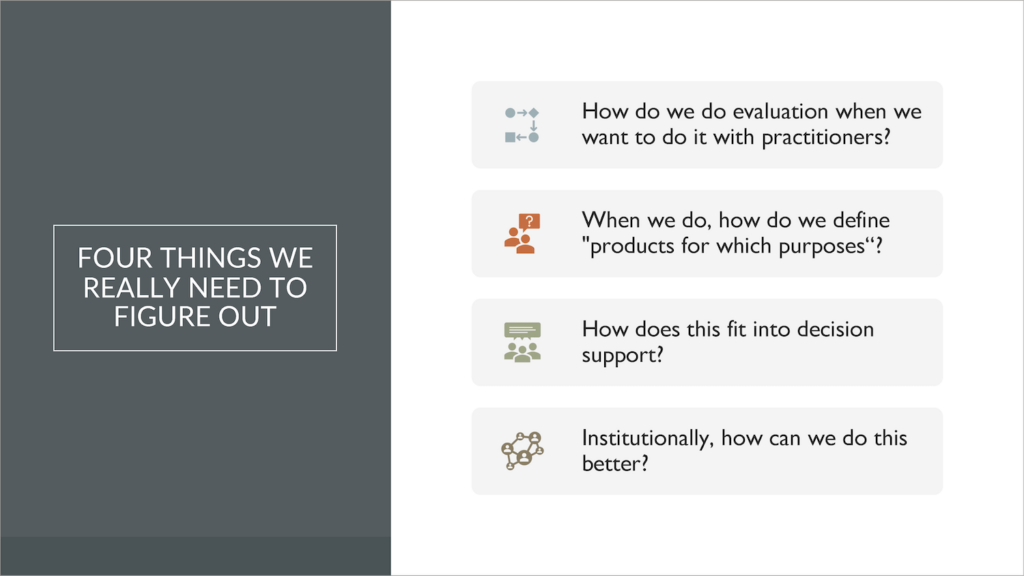
This investigation built on two workshops hosted by the Aspen Global Change Institute (AGCI) and the Science for Climate Action Network (SCAN) to foster more collective understanding among practitioners and scientists of the scientific and institutional issues involved in evaluating how climate information may provide actionable knowledge for specific decision applications. The first workshop focused on the water sector and challenges faced by water utilities, the second focused on the energy sector and challenges faced by electric utilities. We drew upon further insight from subsequent engagements with the Water Utility Climate Alliance (WUCA) through their climate resilience trainings and a new product that explores frequently asked questions by water managers using CMIP6 (Lukas & Vano, 2024).
“CONTINUE translating practical needs into fundamental science challenges to be solved within traditional research models.”
— Electricity sector workshop participant
Key findings
The dilemma of how to use climate change information is not new to practitioners, but increasingly urgent and context-specific.
Utilities that seek to apply climate information to decision making, such as those that provide communities with water and electricity, are often experienced with using data to inform their decisions. Their needs can therefore revolve around the difficulties of understanding which climate change data are appropriate for different applications. Since climate information is often drawn from a wide range of available models and methodologies, additional assistance is needed to ensure appropriate application and inference from this data. Calls to address this long-standing challenge, a problem that has been coined “The Practitioner’s Dilemma,” are not new (Barsugli et al., 2013) but are becoming increasingly more urgent and necessary as practitioners see climate impacts and take action. Yet there is much nuance across sectors. And while different sectors can learn from each other, context is important, and sector- and region-based discussions are crucial.
Water and electricity sectors share common themes and specifics for what they wanted to start, stop, continue, and intensify.
For this investigation, we focused on synthesizing workshop participant responses to what individuals and institutions need to start, stop, continue, and intensify in order to use climate change information more effectively in decision making and practice. Actions recommended during breakout group discussions reflect a desire to build from what we know, improve what already exists, champion the people doing the work, and transform how we think. For specifics from each sector, see what was captured in the workshops in Supplemental Materials: Stop/Start/Continue/Intensify.
“INTENSIFY building multi-institutional collaborations and ecosystems, e.g., scientists working with consultants, public sector agencies.”
— Water sector workshop participant
Recommendations from water and electricity sectors for improved climate change decision support:
- Continue understanding climate change impacts, but reduce the amount of data and tools available that do not provide adequate context. Focus instead on information that has a solution focus and is provided at decision-relevant scales.
- Improve guidance, accessibility, and evaluation of climate information for use in decision making. Allow for more intentional and strategic engagement to focus resources most effectively to increase their fair and effective use.
- Promote a climate change savvy workforce across organizations (e.g., agencies, utilities, consultancies) and across roles (e.g., utility staff, technical experts, translators). This will be achievable through training, workshops, and improved peer learning, if it is supported by community enthusiasm and properly aligned institutional incentives.
- Think differently. This includes redefining roles (of people, information, and how they are connected), revising how to navigate uncertainty, and resetting expectations around reliability. Thinking differently also includes finding ways to evaluate information in the context of its use and proactively seeking ways to integrate climate change information into day-to-day operations (a.k.a. mainstreaming).
For more information on this investigation, contact jvano@agci.org.
Workshop Organizers


